Needlepoint is a relaxing craft that combines creativity, color, and simple stitching techniques to produce beautiful handmade pieces. For someone new to the hobby, getting started can feel confusing when there are so many canvases, threads, needles, and tools to choose from.
A well-prepared kit makes the process easier by bringing essential materials together, helping beginners focus on learning the stitches and enjoying their first project.
Why Start with a Needlepoint Kit?
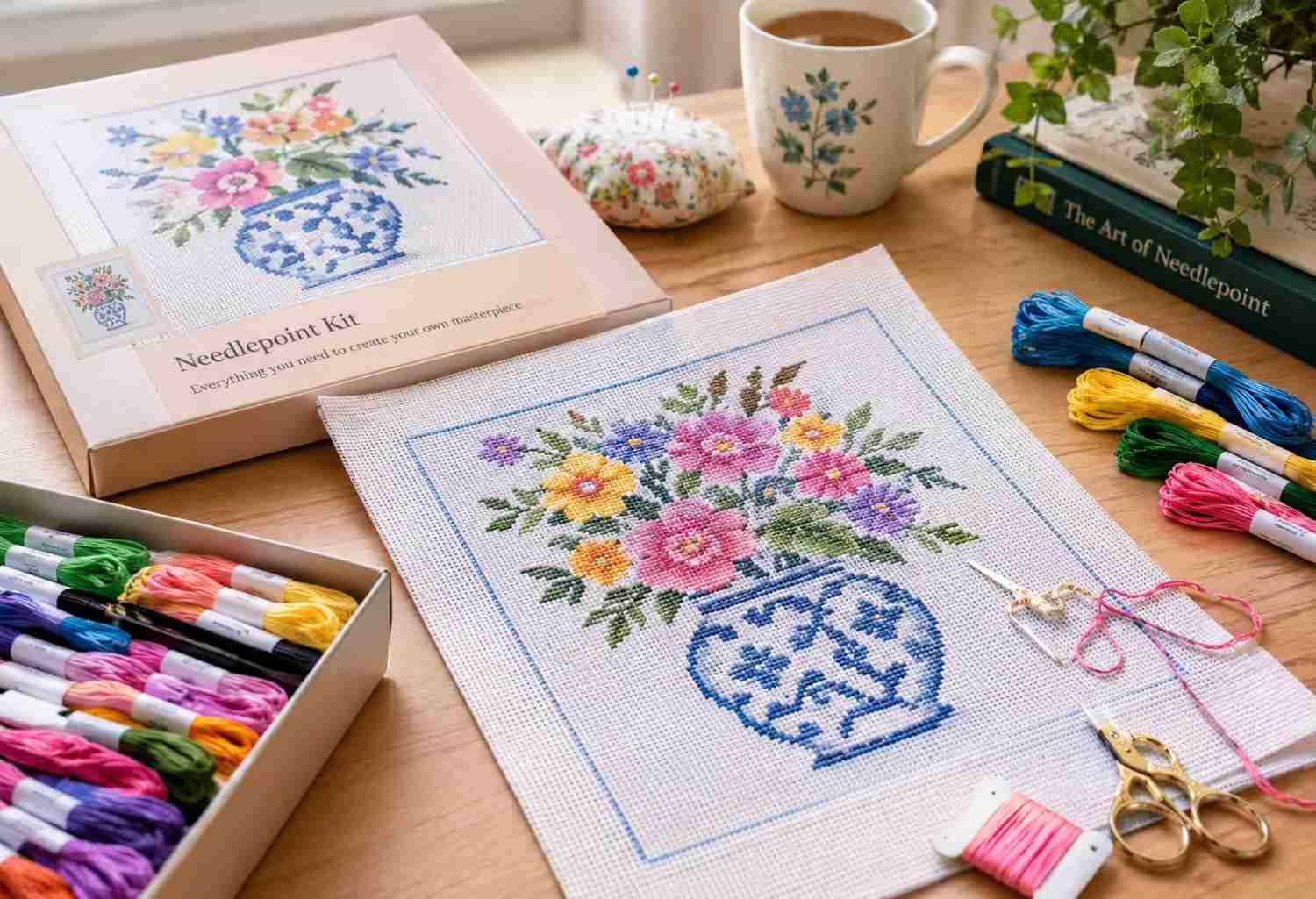
Starting with Beginners Needlepoint Kits can make learning more manageable because the materials are selected for a particular project. Instead of purchasing supplies individually and guessing which items work together, beginners can start with a canvas design and the materials recommended for it.
A kit can also help new stitchers understand how thread colors correspond to a pattern and how stitches gradually fill the canvas. Completing a small project provides an opportunity to practice basic techniques before moving on to more detailed designs.
For a comfortable first experience, look for a kit with clear instructions, an appealing design, and materials that suit your skill level. A simple project is often a better starting point than a large canvas with many tiny details.
What Should a Beginner Look for in a Kit?
Not every needlepoint kit offers the same materials or level of instruction. Checking the product details before purchasing helps you understand what is included and what you may need to buy separately.
Consider these important features:
- Clear instructions: Step-by-step directions or helpful diagrams can make it easier to understand the stitching process.
- Suitable canvas: Check the mesh count, dimensions, and design complexity to determine whether the project is manageable for a beginner.
- Thread information: Confirm which threads are included and whether the listed colors are sufficient for the design.
- Appropriate tools: Check if needles and other essential supplies are provided.
- Finishing requirements: Some projects require additional materials or professional finishing to become a completed decorative item.
Reading the product description carefully can prevent unexpected purchases and help you prepare before beginning.
How to Choose a Design You Will Enjoy
Your first project should be something you genuinely want to finish. Choosing a design that matches your interests can make regular stitching sessions more enjoyable and encourage you to keep practicing.
Simple geometric patterns, small decorative motifs, colorful shapes, and uncomplicated illustrations can be good options for beginners. Designs with clearly defined color areas may also be easier to follow than patterns containing numerous tiny details.
Think about how much time you can comfortably spend stitching. A small project may be suitable if you want to learn the basics without committing to a lengthy task. Larger designs can be rewarding, but they may require more patience and careful organization.
When exploring needlepoint shops online, compare canvas size, materials, instructions, and product photographs rather than choosing by appearance alone. These details help you understand what you are buying and whether it fits your experience level.
Essential Supplies for a Smooth Start
Although a complete kit may include many of the materials you need, some projects require additional tools. Keeping your supplies organized makes stitching easier and reduces interruptions while you work.
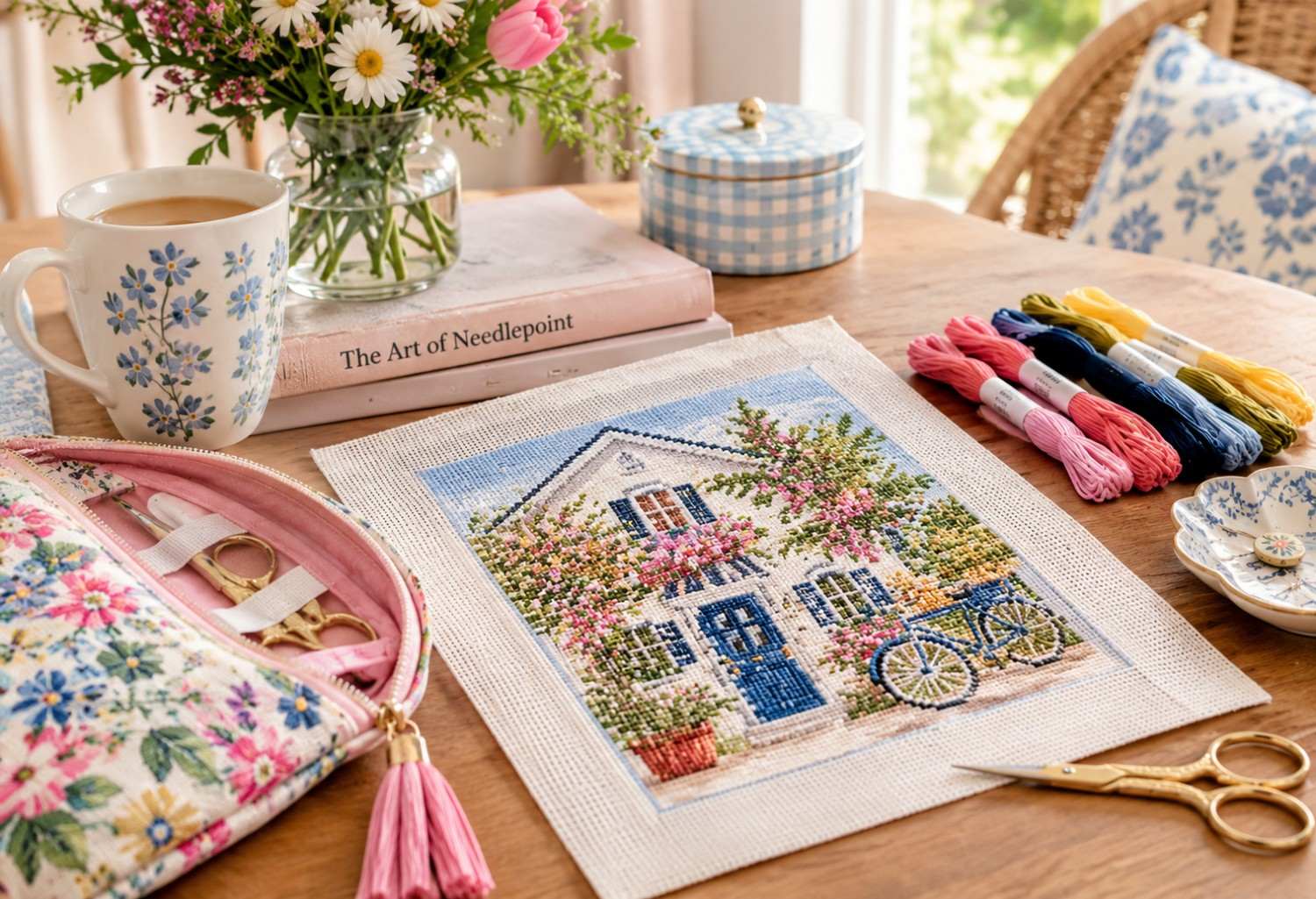
A needlepoint accessories kit may include useful items such as needles, small scissors, needle minders, thread organizers, or other tools, depending on the product. Before purchasing one, check the contents to avoid paying for supplies you already own.
A few practical habits can also improve your stitching experience:
- Keep threads separated by color to prevent tangles.
- Store needles and scissors safely when not in use.
- Work in a well-lit area to see the canvas clearly.
- Take breaks to reduce eye strain and hand fatigue.
- Follow the canvas and thread instructions for suitable handling and care.
You do not need every available tool to begin. Start with the essentials and add supplies as your skills and project needs develop.
Learn Basic Techniques at Your Own Pace
Needlepoint becomes easier with practice. Beginners can start by learning how to thread a needle, secure the thread, maintain consistent tension, and follow the canvas design. Practicing a few stitches on an appropriate practice canvas can help build confidence before tackling a more detailed pattern.
Try to keep your stitches reasonably even without pulling the thread too tightly. Excessive tension can distort the canvas, while loose or inconsistent stitches may leave uneven coverage. If you notice a mistake, pause and assess it before continuing. Correcting a small section early is often easier than fixing it later.
It is also helpful to work in short sessions rather than rushing to finish. Progress may feel slow at first, but steady practice helps develop control and familiarity with the materials.
Make Your First Project More Enjoyable
A comfortable workspace and realistic expectations can make a big difference. Choose a place with good lighting, keep your supplies within reach, and allow yourself enough time to learn each technique. If instructions seem unclear, consult a reliable needlepoint tutorial or ask an experienced stitcher for guidance.
Emily’s Stitchery offers a beginner kit collection with options for people exploring needlepoint for the first time. When comparing kits, review the individual product details to understand the included materials and choose a design that suits your interests and experience.
Remember that your first piece does not need to be perfect. Each project gives you an opportunity to improve your stitching, understand how colors work together, and discover which designs you enjoy most.
Conclusion
Starting needlepoint can be simple and rewarding when you choose a suitable design, prepare your materials, and give yourself time to practice. Beginners Needlepoint Kits can help reduce the uncertainty of selecting supplies and provide a convenient way to learn the basics.
By checking kit contents, organizing your tools, and working at a comfortable pace, you can build confidence and enjoy creating handmade pieces one stitch at a time.